Skip to content

Since 1998 · London

Shaped by time.
Finished by hand.

Fourteen people, three wheels, two kilns and a drying room that has not changed since the studio opened.

Our story

One building, twenty-seven years

The studio occupies a former joinery on the east side of London. It was chosen for one reason: a north-facing clerestory that delivers even light from ten in the morning until four in the afternoon without a single lamp.

We started with one wheel and a conviction that tableware should outlive the trend that produced it. That has not changed. What has changed is who we make for — alongside the table at home, our work now sits in kitchens across Europe, where a plate is picked up, set down and washed forty times a week and still has to look like it was made by a person.

Handles are pulled by hand. Glaze lines are poured by hand. Feet are trimmed by hand. Everything else has been mechanised, and we would mechanise more if it did not show. It shows.
Process

From block to table

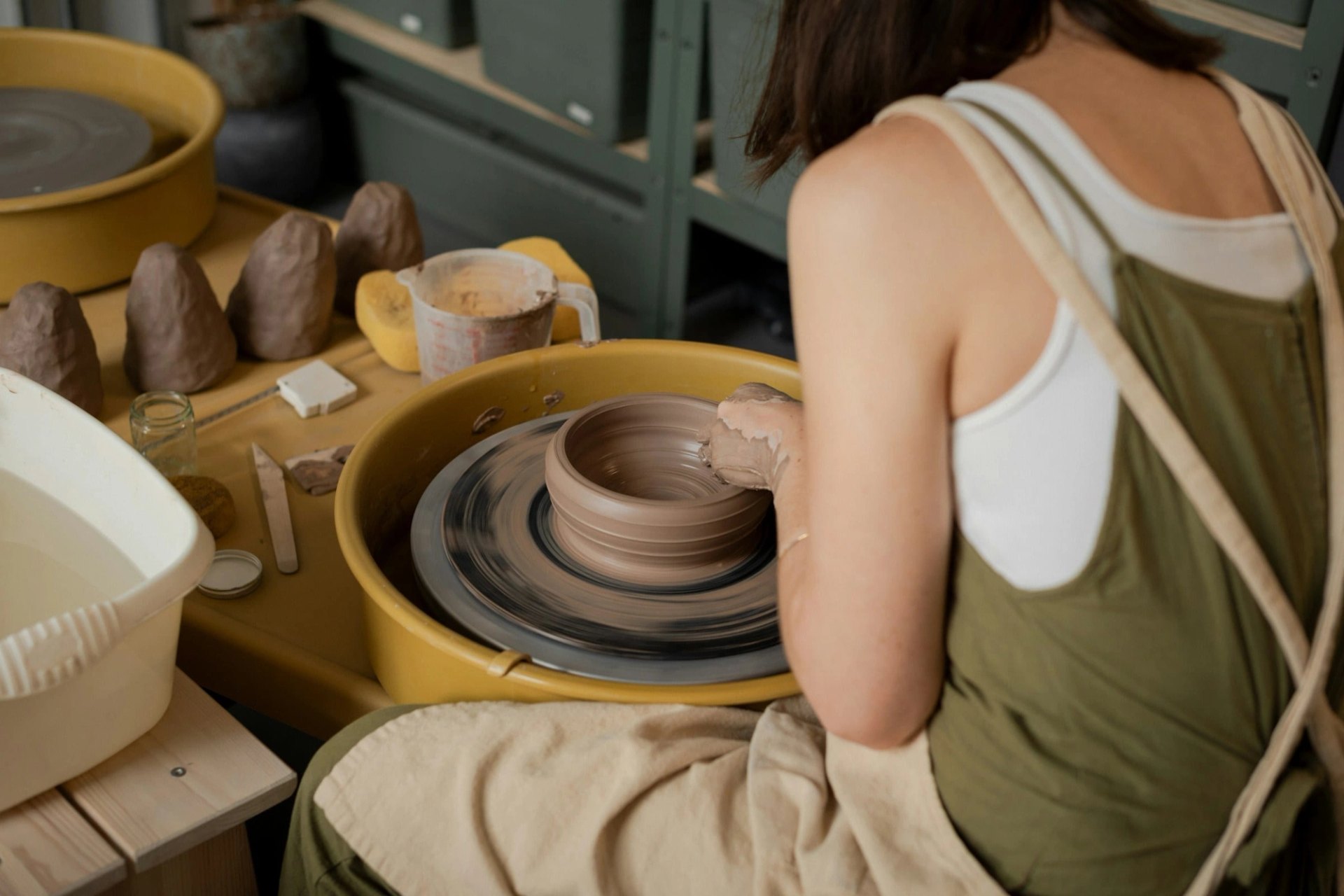
Four stages, roughly eighteen days from wedging to packing. None of them can be usefully shortened.
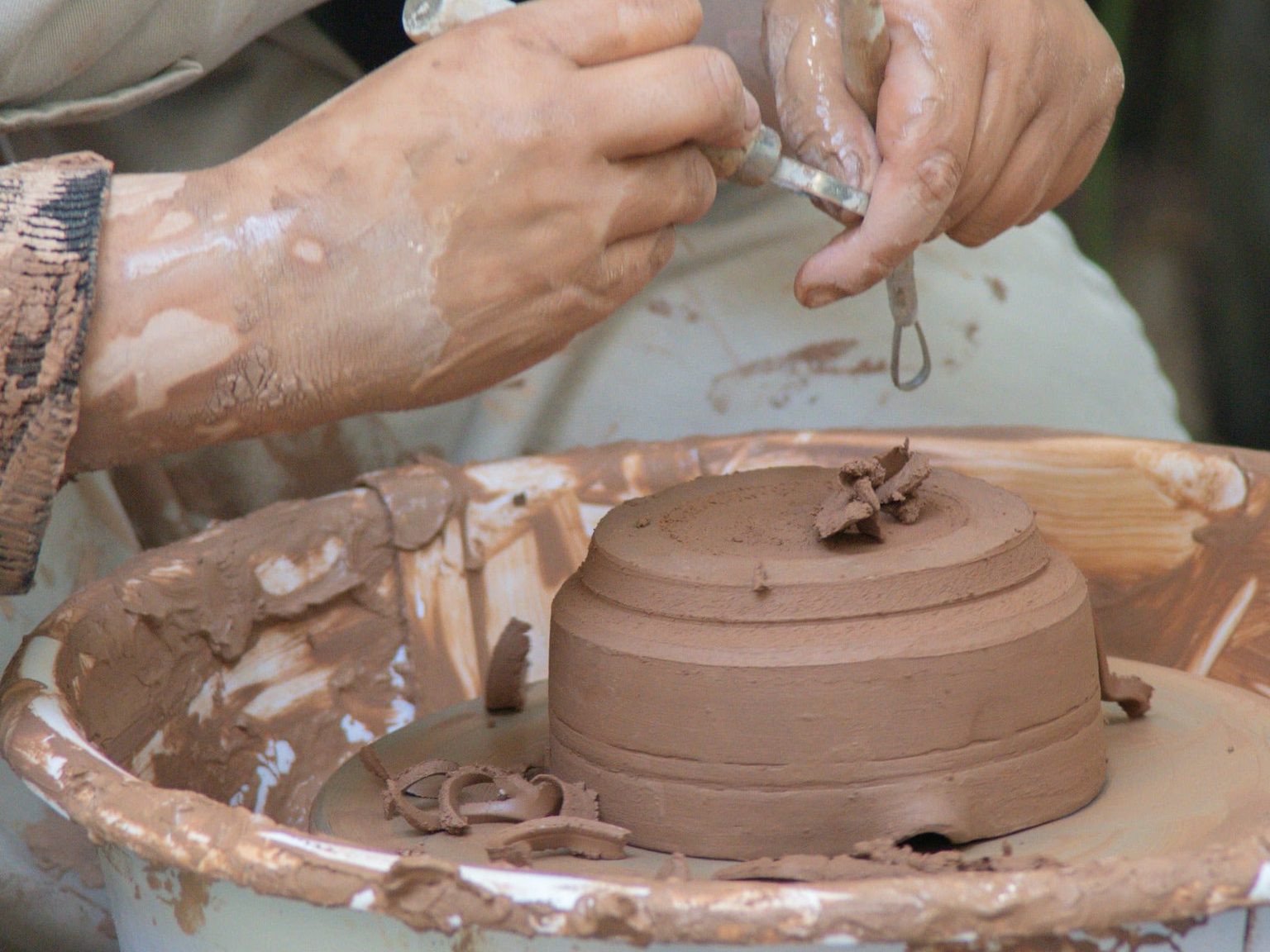
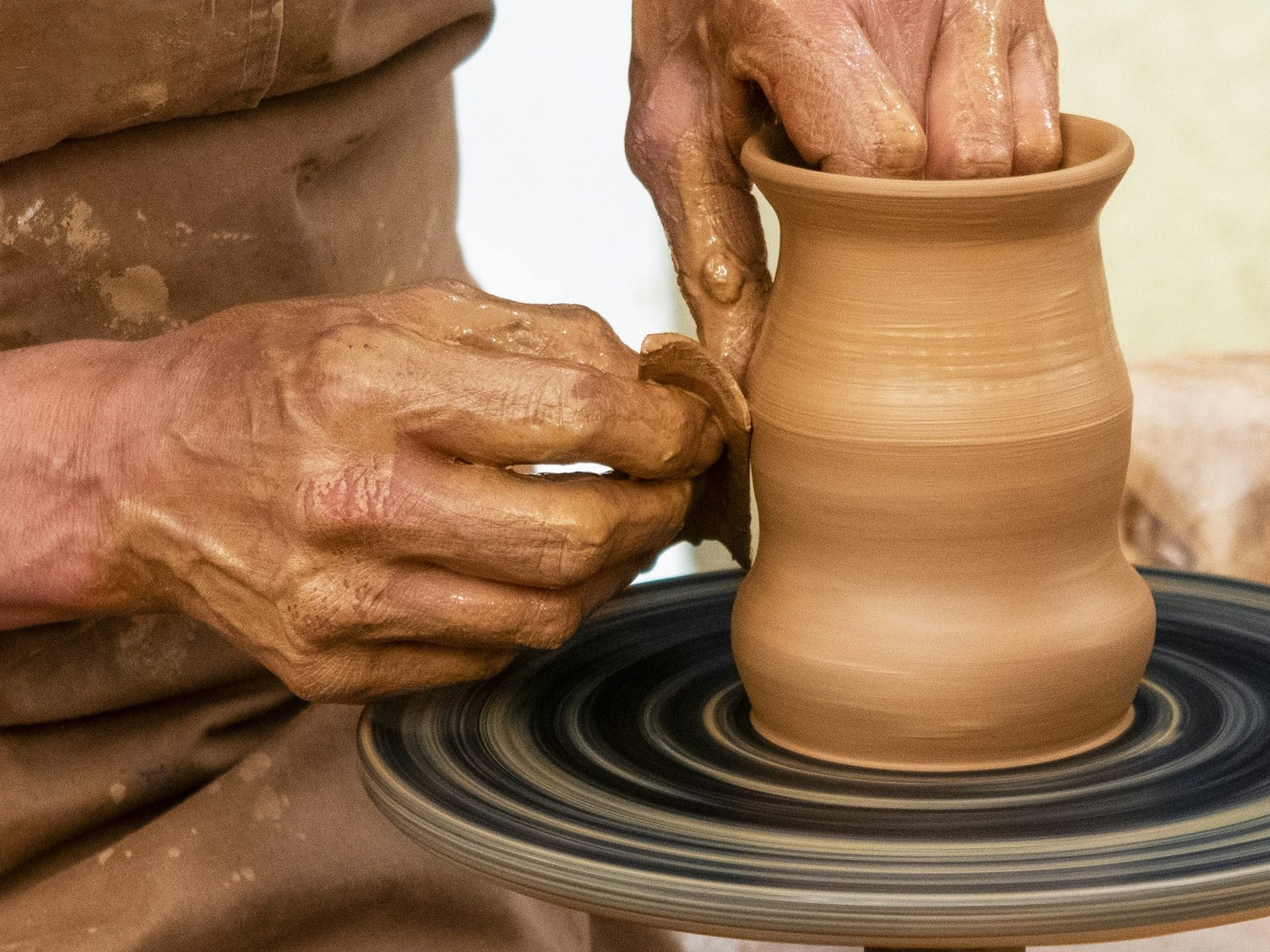
Two clay-covered hands centring a mound of stoneware on the wheel head

01

Wedging and centring

Clay arrives as a pugged block and is wedged by hand to remove air and align the particles. A badly wedged body will not centre, and an off-centre form can never be corrected later.

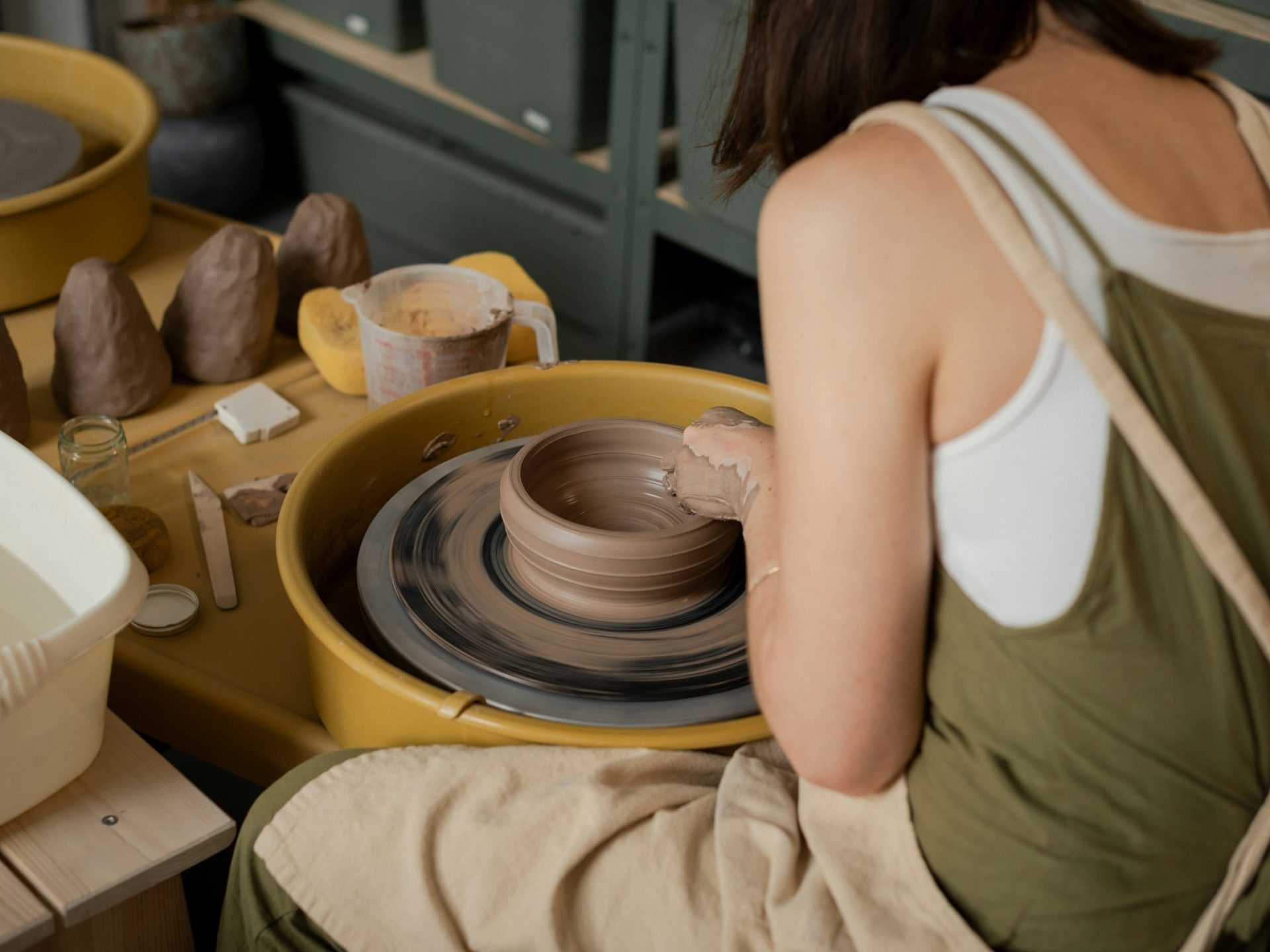
A ceramicist drawing the walls of a bowl upward on a spinning potter’s wheel

02

Throwing

Three throwers work full-time. A dinner plate takes ninety seconds on the wheel and eleven years to learn. The wall thickness is judged by touch, never gauged.

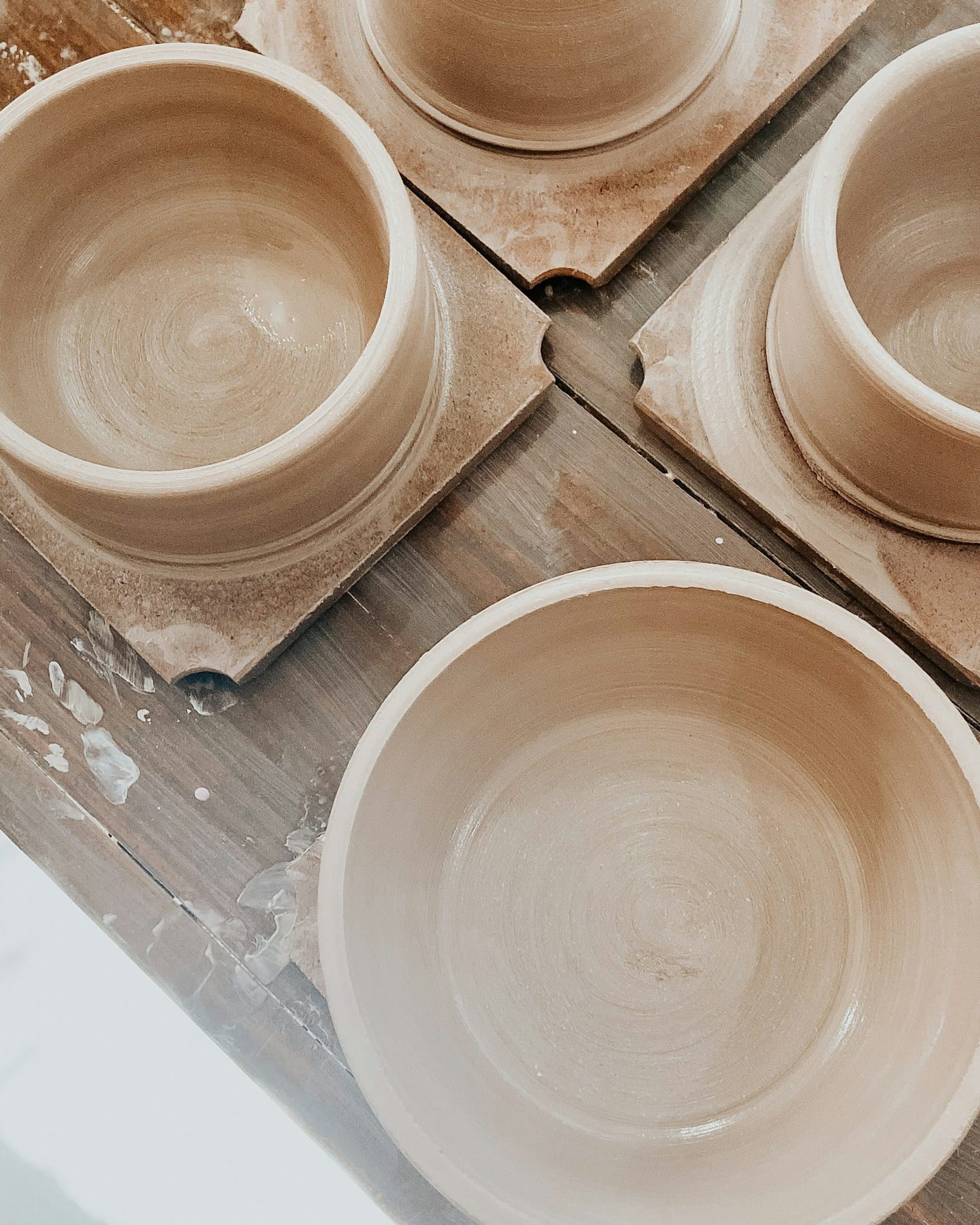
Hands smoothing the seam of a hand-built cylindrical vessel

03

Drying and trimming

Four to nine days in a humidity-controlled room, then the foot is trimmed back while the clay is leather-hard — the stage at which it holds an edge but still takes a fingerprint.

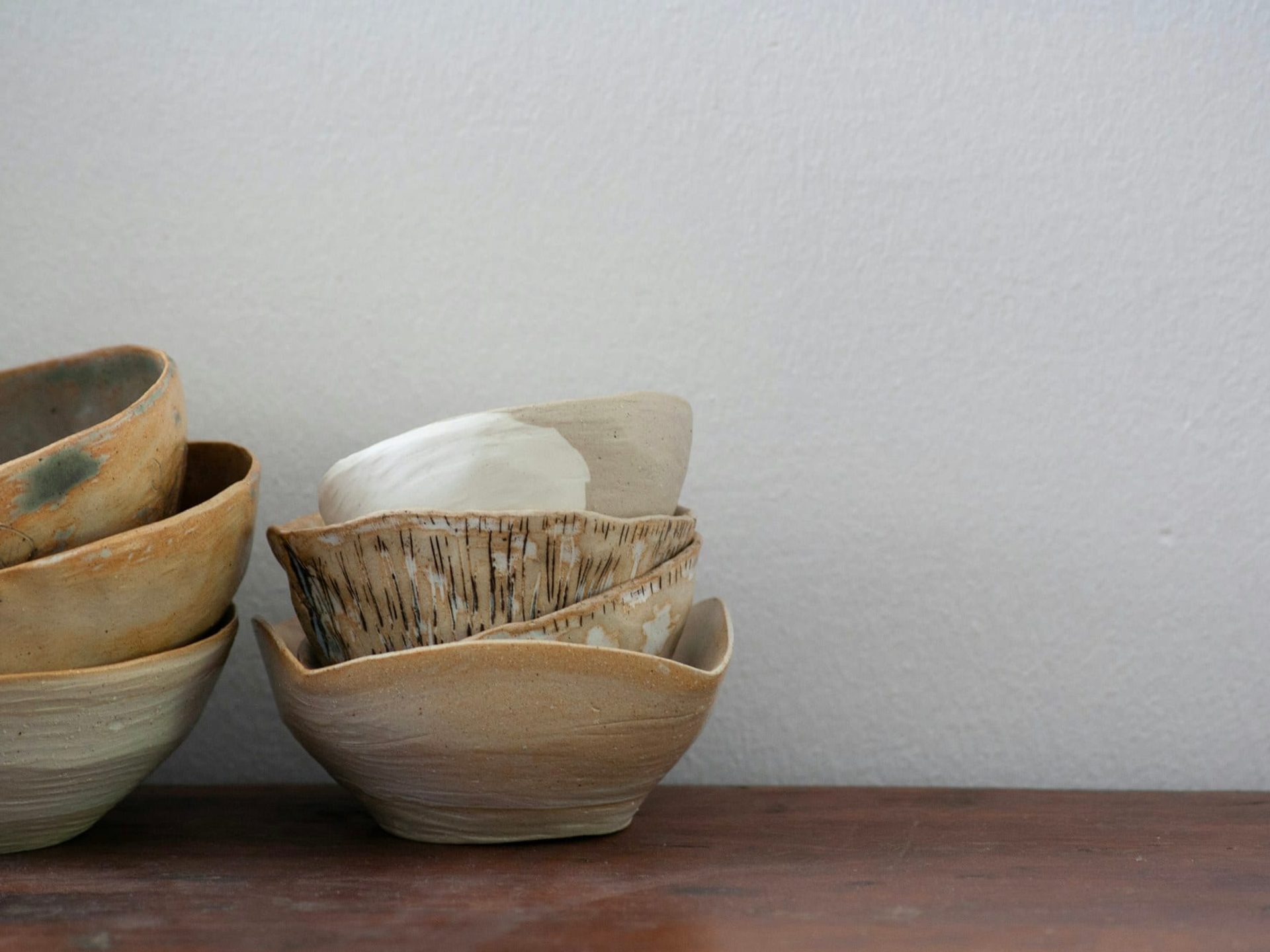
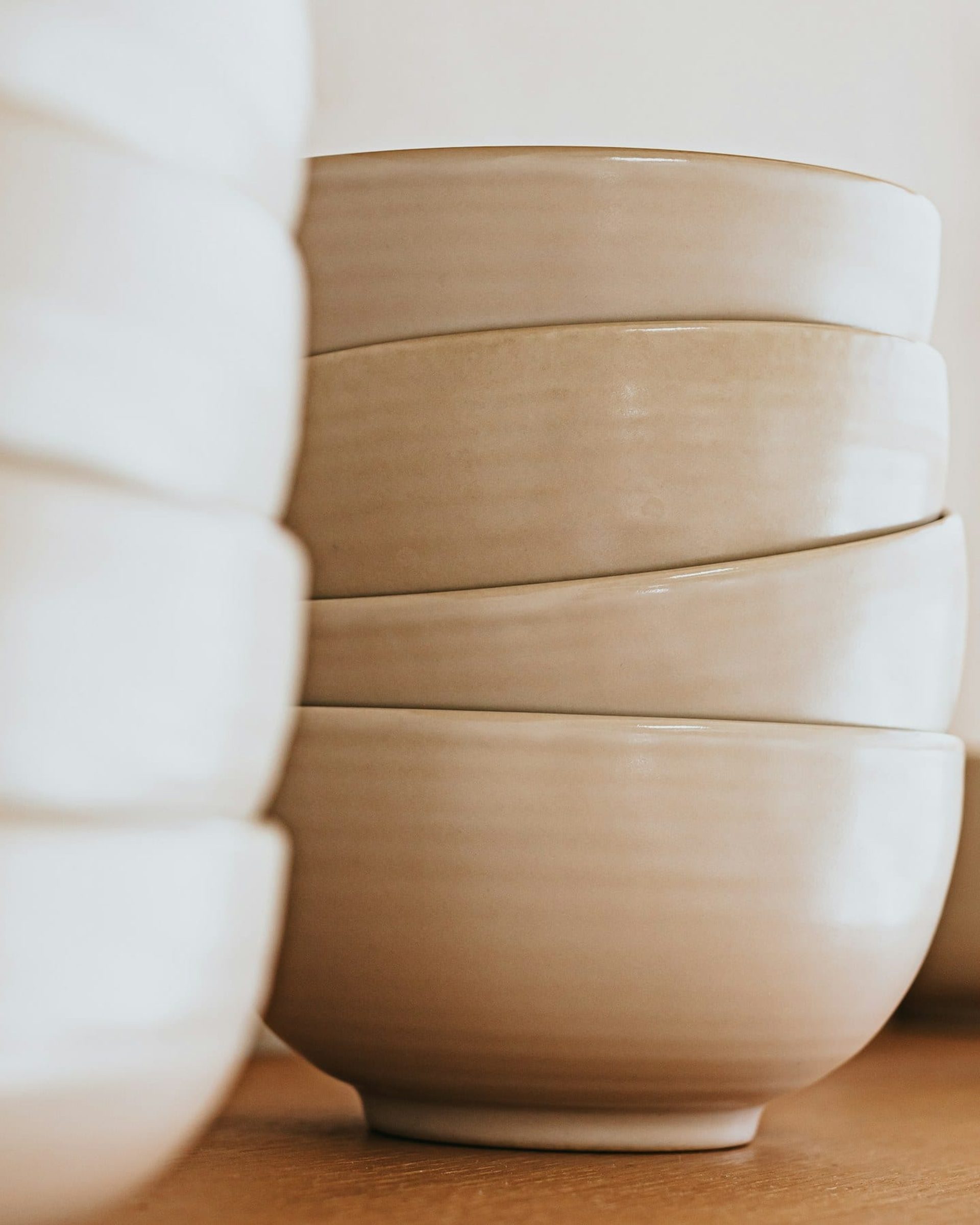
Hand-thrown bowls resting on a studio shelf, each finished in a different glaze

04

Glazing and firing

A bisque firing to 980°C, then glaze applied by dip or pour, then a thirty-one hour glaze firing with an eleven-hour cool. Nothing is rushed at either end of the curve.

Materials

Four bodies, one intention

We keep the list short on purpose. Every body here has been in use for at least five years and will still be available in five more.

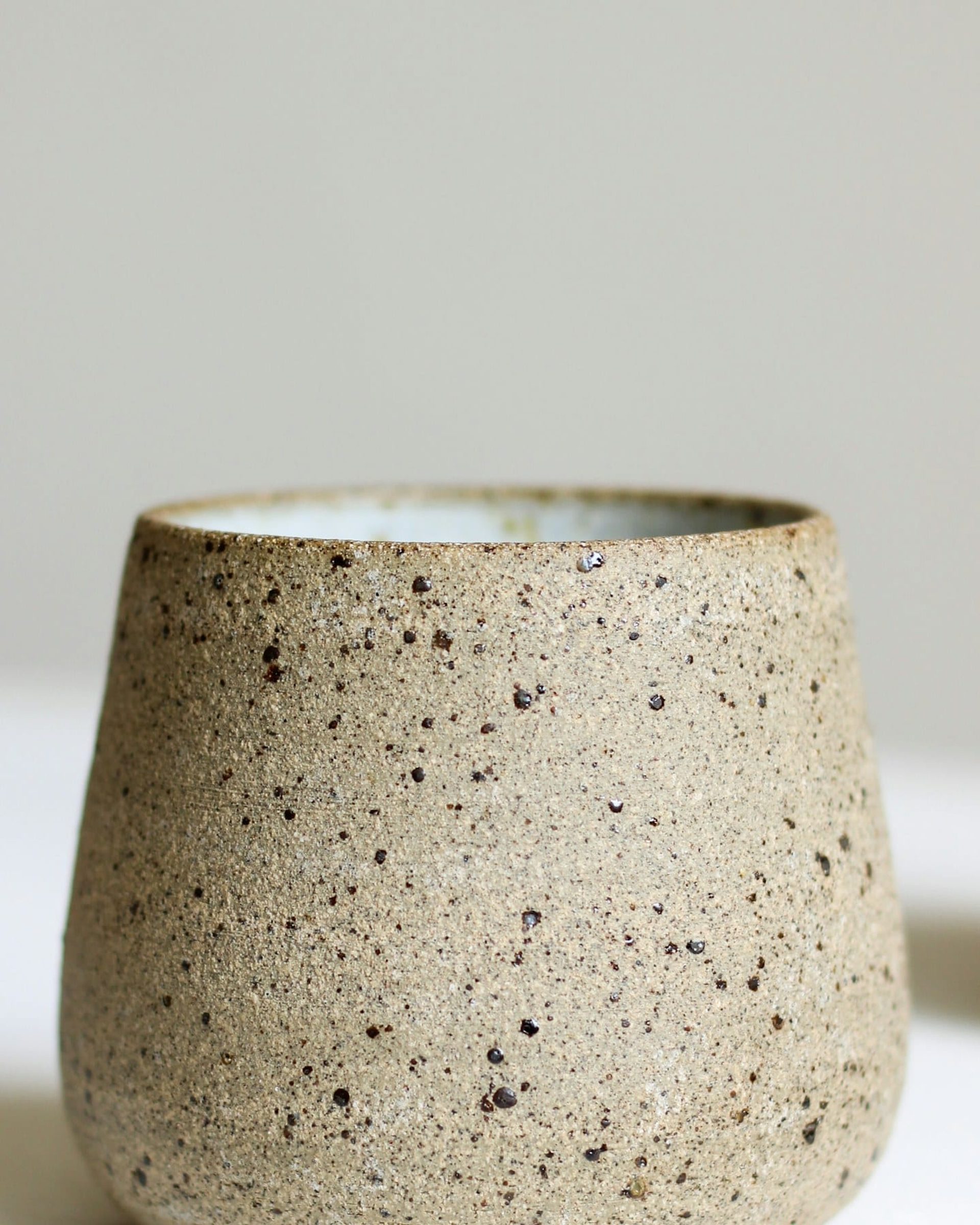
Iron-bearing stoneware

Sourced from a single Devon pit. Fires to a warm sand with visible speckle where iron granules break the surface.

Terra, Sable

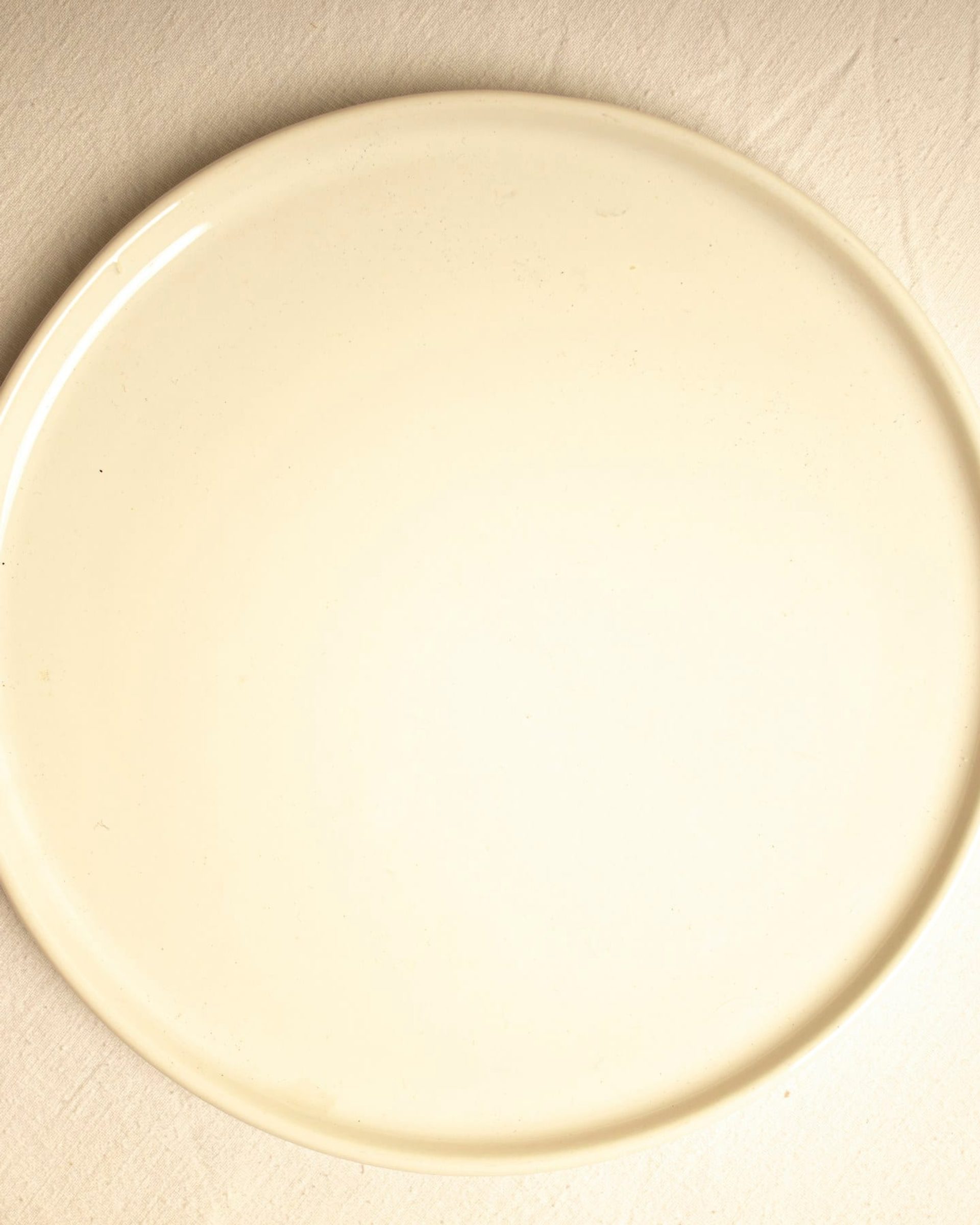
White porcelain

A high-alumina body that stays bright at 1,320°C and takes a rim down to two millimetres without slumping.

Linea

Fine white stoneware

A smoother, more forgiving body that carries thick satin glazes without crazing.

Onda, Lume

Rutile satin glaze

Developed in-house over two winters. Holds warm light rather than reflecting it — the reason Lume works by candlelight.

Lume

Care

Living with it

Handmade does not mean fragile. These pieces are built to be used daily and washed hard — here is what to expect.

Dishwasher
All glazed pieces are dishwasher safe and rated to 2,000 commercial cycles. Unglazed exteriors and decorative vessels should be rinsed by hand.
Microwave and oven
Glazed tableware is microwave safe. Serving dishes are rated to 240°C. No piece should go from a hot oven onto a cold or wet surface.
Marking
Grey metal marks from cutlery sit on the glaze rather than in it. A little bicarbonate of soda on a damp cloth removes them completely.
Variation
Speckle density, glaze depth and the exact position of a raw-to-glazed line vary between pieces. This is the material behaving normally, not a fault.

Visit the studio

We open the workshop to trade visitors on Thursday afternoons. Come and see a firing unloaded — it is the fastest way to understand what you are specifying.

Arrange a visit